Our History

We carry with our mission a rich and enduring history spanning over 200 years. Explore what has shaped us into who we are today.

Founding

The Congregation of St. Basil was born in France in a time of turmoil, revolution, and harsh persecution targeting the Catholic Church. This period became known as the Reign of Terror during which over 30,000 French citizens were publicly executed, priests and seminarians were imprisoned and massacred, and churches were destroyed.

1790

All religious orders are abolished. Clergy become employees of the state and are forced to take an oath of loyalty that would override the authority of the Pope. Those who refuse to take the oath are sent to the guillotine.


1791

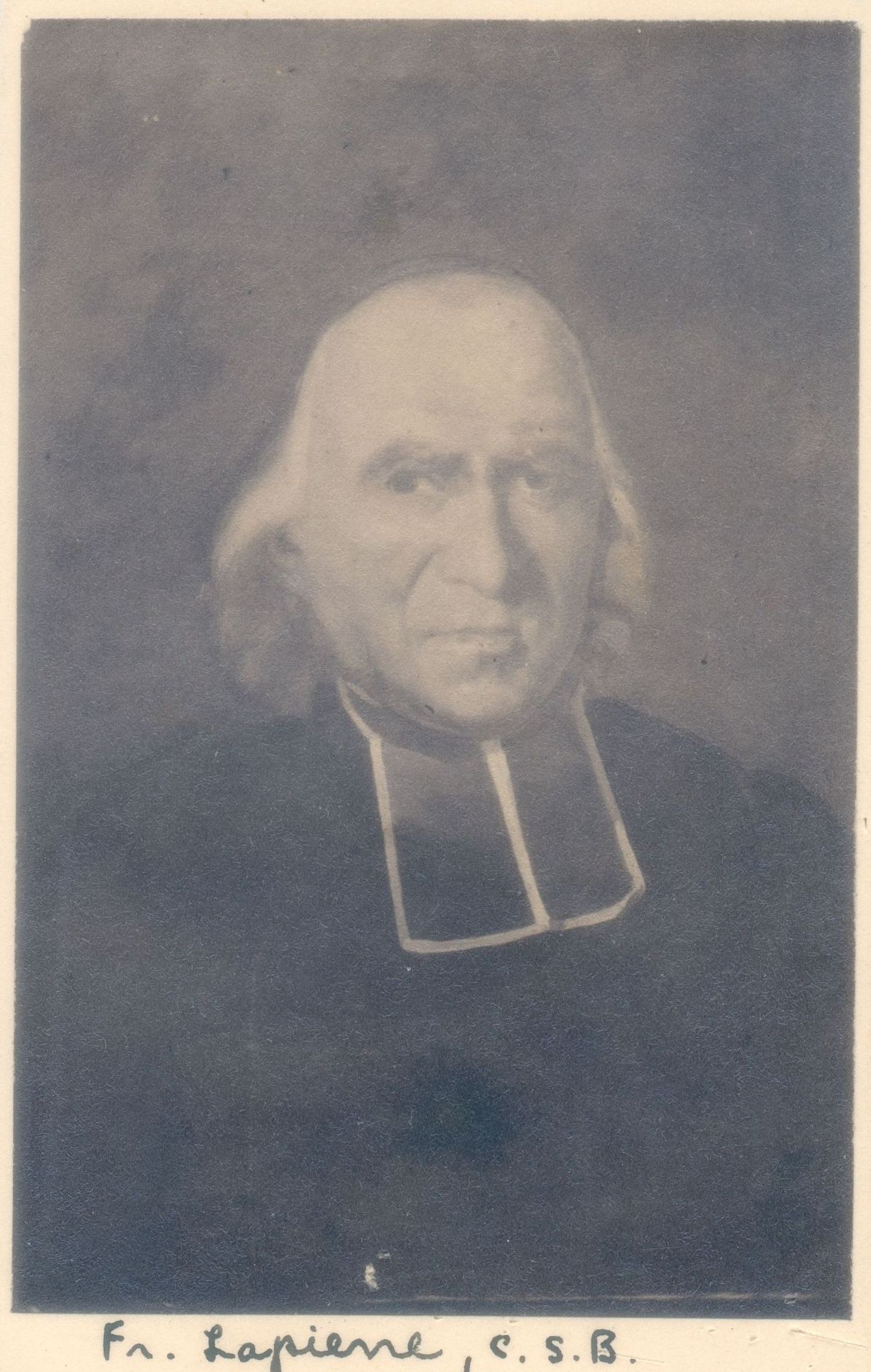
Father Joseph Lapierre publicly retracts his oath and flees to avoid arrest.
1797

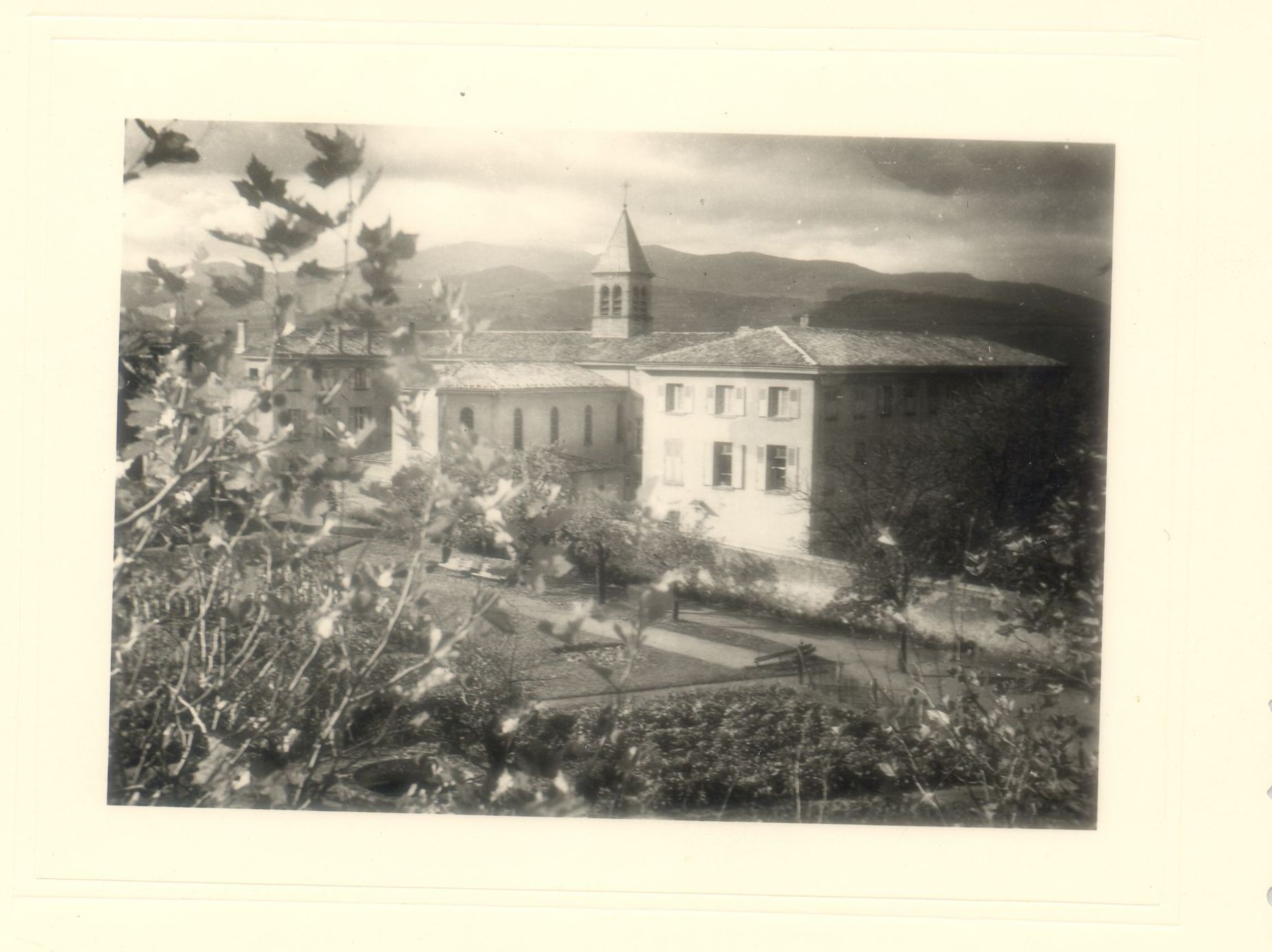
Archbishop Charles-François d’Aviau of Vienne returned to France after fleeing the Reign of Terror and asked Father Joseph Lapierre to open a clandestine seminary school in the southern French region of Ardèche, in the village of Saint-Symphorien-de-Mahun.


1797

Archbishop Charles-François d’Aviau of Vienne returned to France after fleeing the Reign of Terror and asked Father Joseph Lapierre to open a clandestine seminary school in the southern French region of Ardèche, in the village of Saint-Symphorien-de-Mahun.


1802 - 1813

In 1802, a year after the Church reached a Concordat with the Emperor Napoleon, the tiny school moved to the town of Annonay, where the population of about 5,000 could support the growth that was expected. Despite ongoing political pressure and persecution to make history classes “politically correct,” the school in Annonay flourished, and by 1813 two more schools opened: Ste. Barbe and Ste. Claire. The schools became known for their exceptional range of teaching including humanities, rhetoric, philosophy, mathematics, physics, and chemistry. The teacher-priests devoted themselves to Christian education, preaching, and life in community.
1822

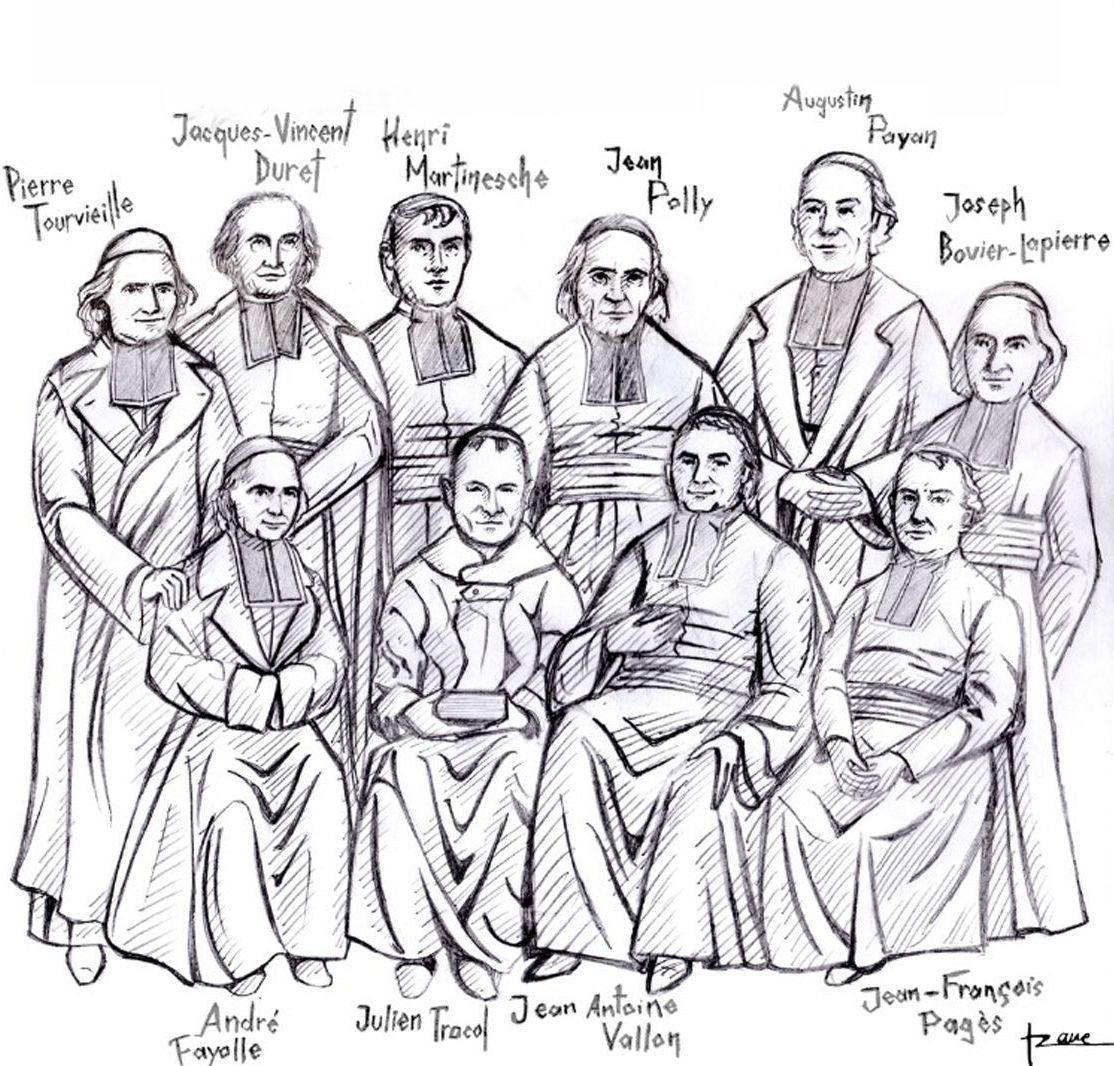
Ten priests, teachers in the Annonay school, present a petition to the Bishop of Viviers to be recognized as an Association of Priests.

These men would become the Congregation’s founding fathers.


On November 21st, the Feast of the Presentation of the Blessed Virgin Mary, Fr. Lapierre is chosen as the first Superior General and St. Basil is named as Patron Saint for the order.


1863

Pope Pius IX raises the status of the Association to a

religious Congregation of simple vows.


Arrival in the new world

1850

Newly appointed Bishop of Toronto, Armand de Charbonnel, a former Basilian student in Annonay, sees a need for Catholic education among the poor Irish Catholic families in his diocese and invites his former teachers to come to Canada. The Basilians send four priests, a significant percentage of their total number of available priests, to establish a school in Toronto. 

1852

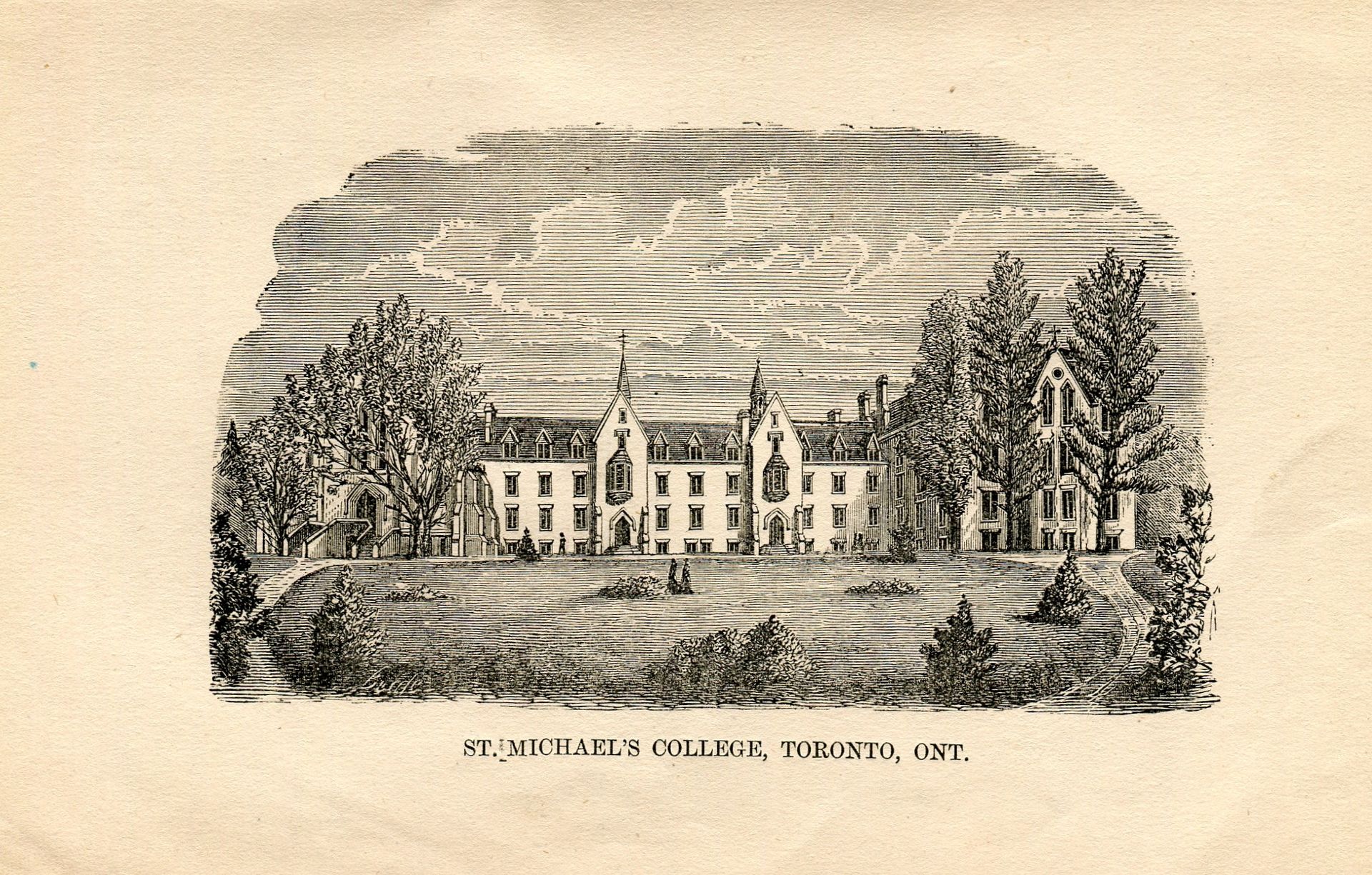
The Basilians open St. Michael’s College, offering in the French style, a combination of high school and post-secondary education in Toronto. 
The first Canadian Basilian, who was a student at St. Michael’s College, Father Michael Ferguson, CSB, is ordained on October 23. The Basilian community in the New World continues to grow steadily.

1861

The first Canadian Basilian, who was a student at St. Michael’s College, Father Michael Ferguson, CSB, is ordained on October 23. The Basilian community in the New World continues to grow steadily.

1861

The Basilians establish a parish in Owen Sound, Ontario.

1866

The Basilians establish a parish in Owen Sound, Ontario.

1866

Expansion in North America 

1870

Basilians assume administration of Assumption College in Windsor, Ontario.

1870

Basilians assume administration of Assumption College in Windsor, Ontario.

1878

The Basilians establish a parish in Amherstburg, Ontario.

1878

The Basilians establish a parish in Amherstburg, Ontario.

1880

In France, anti-clerical government decrees close most religious schools, and religious orders are dispersed. Most Basilians become diocesan priests in the Diocese of Viviers.

1880

In France, anti-clerical government decrees close most religious schools, and religious orders are dispersed. Most Basilians become diocesan priests in the Diocese of Viviers.

1880

In France, anti-clerical government decrees close most religious schools, and religious orders are dispersed. Most Basilians become diocesan priests in the Diocese of Viviers.

1886

The Basilians establish a parish in Detroit, Michigan.

1886

The Basilians establish a parish in Detroit, Michigan.

1890

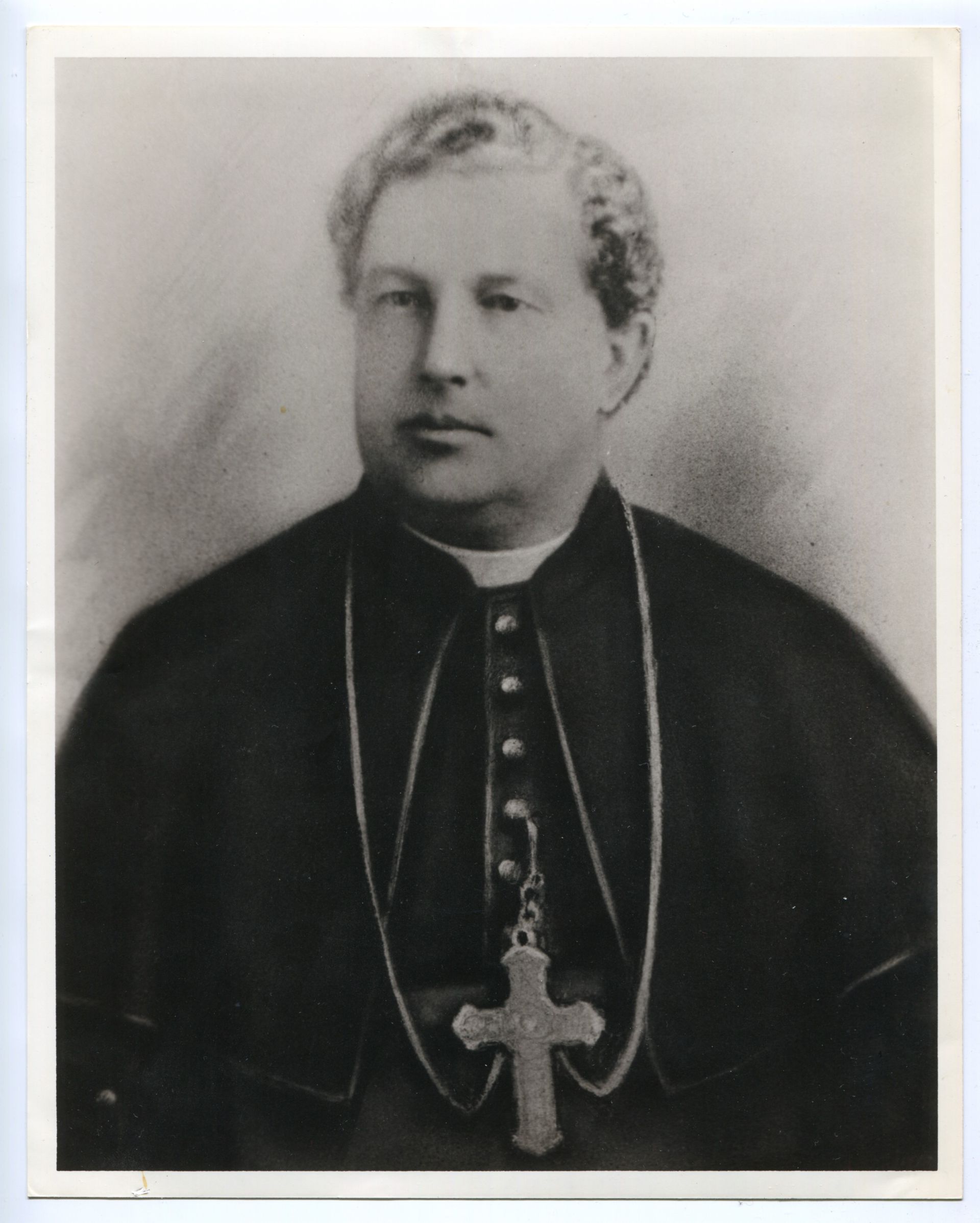
Father Denis O’Connor, CSB is appointed Bishop of London Ontario, and then in 1899, Archbishop of Toronto, Ontario. He is the first Basilian bishop.
1892

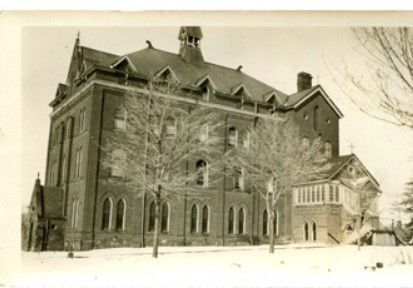
The Basilian Novitiate moves to Toronto at the location where Holy Rosary Church and later St. Michael’s College School are eventually built. It is the only North American novitiate until 1942 when a novitiate is established in Rochester, New York.
1899

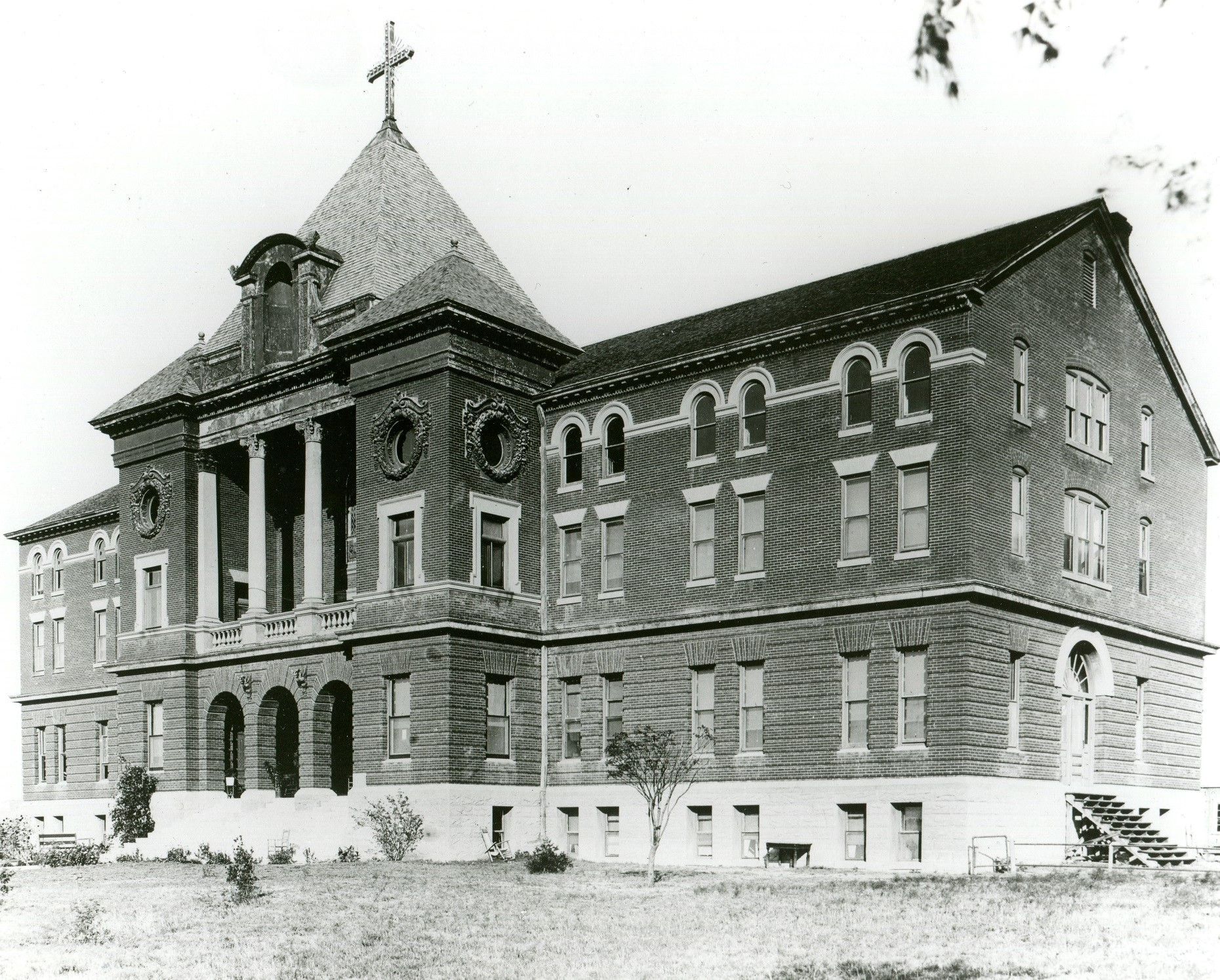
The Basilians establish a school in Waco, Texas.

1903

The French republican government orders all religious institutes to disband. A few Basilians continue to work in the school at Annonay, but the Congregation’s religious life in France is interrupted for twenty years.

1903

The French republican government orders all religious institutes to disband. A few Basilians continue to work in the school at Annonay, but the Congregation’s religious life in France is interrupted for twenty years.

1903

The French republican government orders all religious institutes to disband. A few Basilians continue to work in the school at Annonay, but the Congregation’s religious life in France is interrupted for twenty years.

1922

Tensions, both canonical and political, between the North American Basilian councillors and the Congregation’s French leadership result in an amicable Decree of Separation in June of 1922. The outcome is two distinct Congregations: the Basilian Fathers of Toronto and the Basilian Fathers of Viviers.

1922

Tensions, both canonical and political, between the North American Basilian councillors and the Congregation’s French leadership result in an amicable Decree of Separation in June of 1922. The outcome is two distinct Congregations: the Basilian Fathers of Toronto and the Basilian Fathers of Viviers.

Father Henry Carr, CSB

“The most important work we have to do is to talk to students. In practice it is impossible to do too much of it … Here is where real education takes place.”


- FR. HENRY CARR, CSB

1930

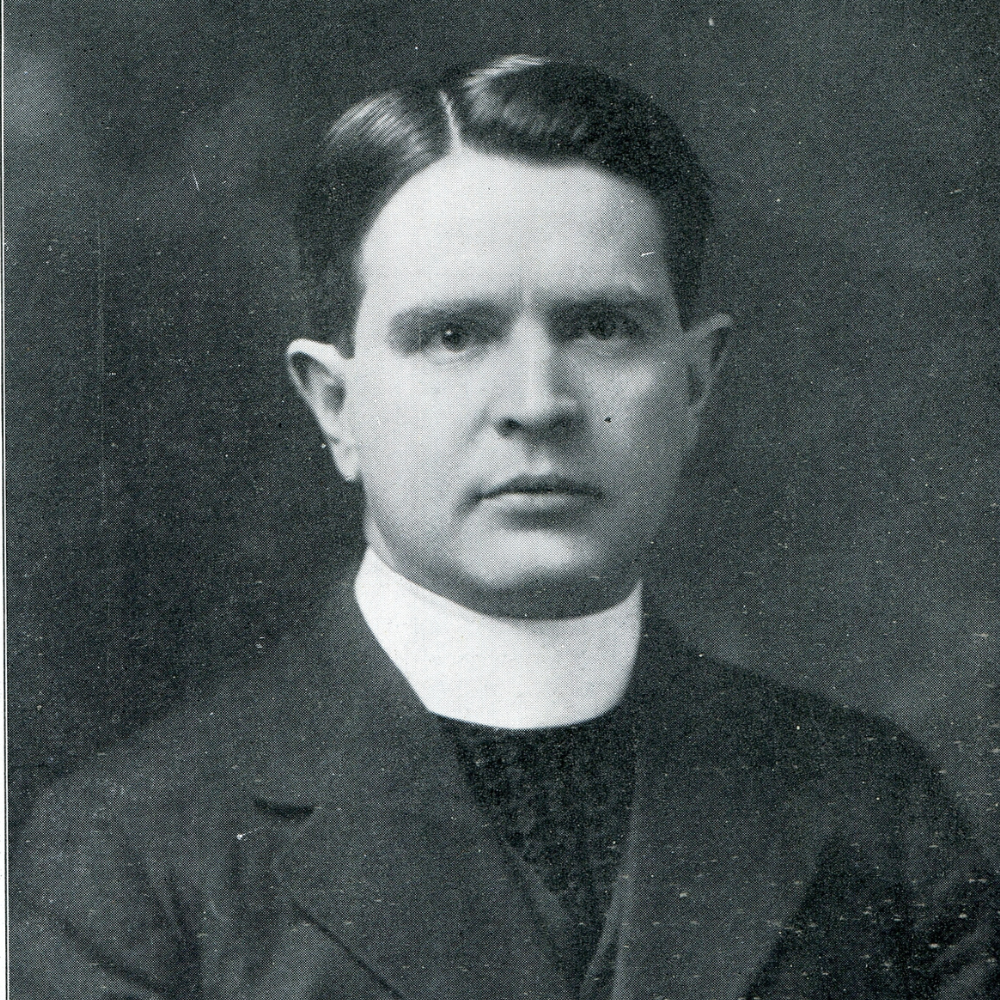
Father Henry Carr, CSB is elected Superior General of the Congregation. Under his leadership as superior and president of St. Michael’s College from 1915 to 1925 and Superior General of the Congregation from 1930 to 1942, he makes many decisions to secure the future of Catholic education in Canada. He strengthens the existing affiliation of St. Michael’s College with the University of Toronto to become a “federated” arts college within the university. This model has been adopted at universities in Ontario, Manitoba, Saskatchewan, and British Columbia. In 1929, he helps found the internationally renowned Pontifical Institute of Mediaeval Studies in Toronto.

Basilians begin ministering to the Mexican migrants and Mexican Americans in the towns around Houston, Texas. Basilian high schools in the United States and Canada assist this work through financial contributions. Many of these missions develop into fully fledged parishes in the Galveston-Houston and Victoria dioceses.

1903

Basilians begin ministering to the Mexican migrants and Mexican Americans in the towns around Houston, Texas. Basilian high schools in the United States and Canada assist this work through financial contributions. Many of these missions develop into fully fledged parishes in the Galveston-Houston and Victoria dioceses.

1903

1939

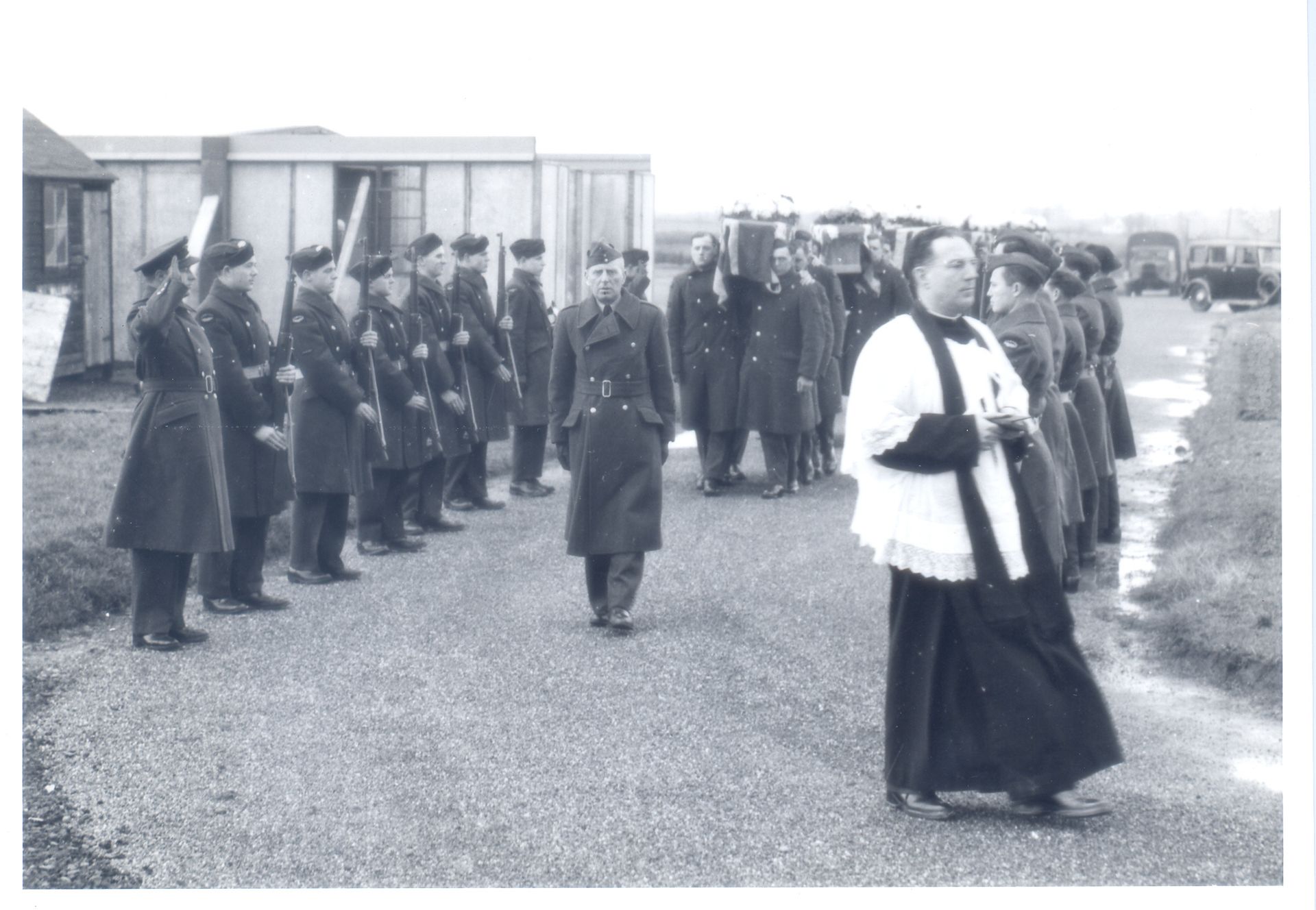
Seventeen Basilians volunteer to serve in World War II, including five who serve overseas as military chaplains, representing a large portion of available priests.
1961

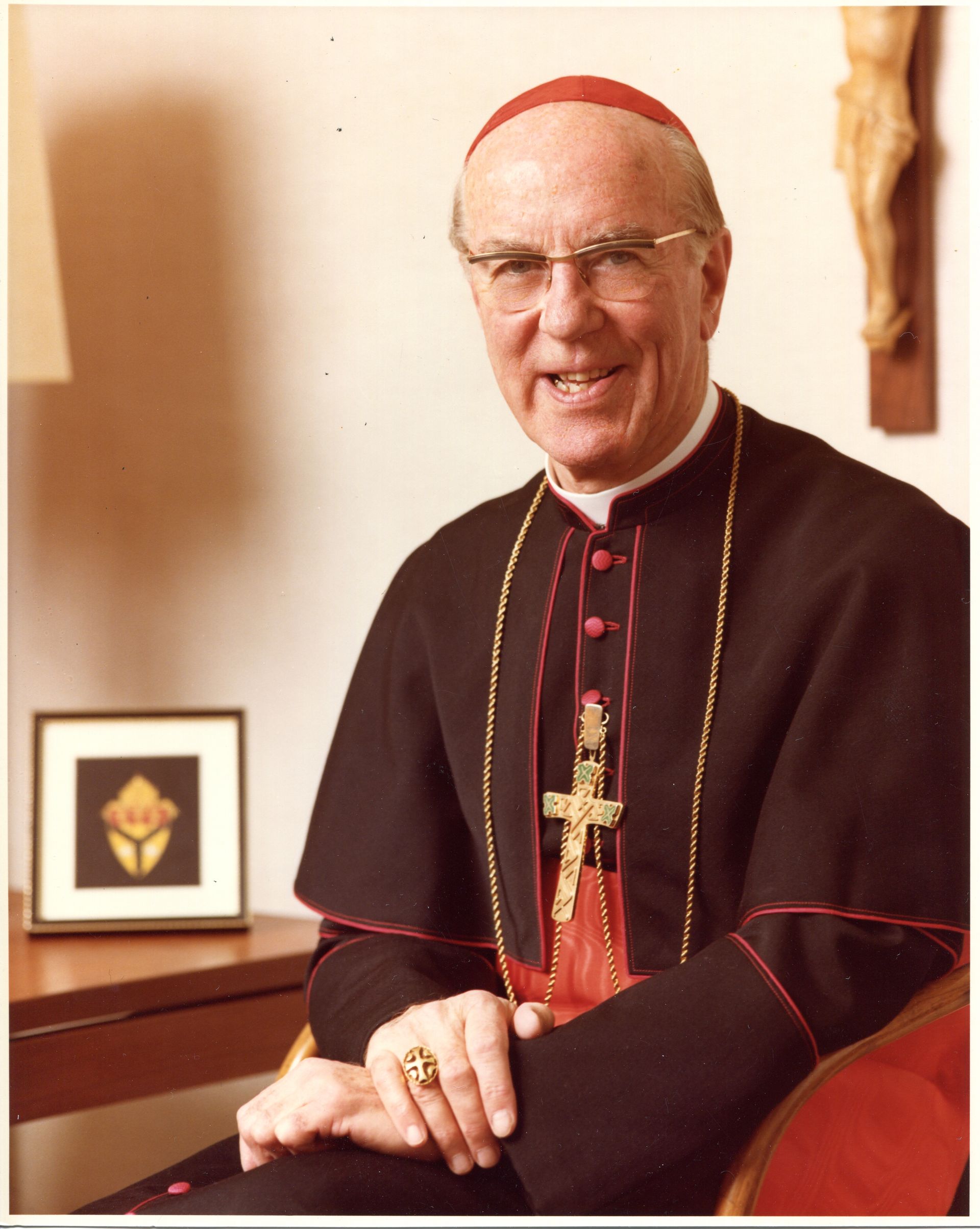
Father George Flahiff, CSB, who served as the Congregation’s Superior General since 1954, is appointed Archbishop of Winnipeg, Manitoba. As one of the Fathers of the Second Vatican Council, he attends all the sessions from 1962 to 1965 and addresses the Council once, speaking on ecumenism. He is named to the Preparatory Commission on Religious Life and contributes to the Council document Perfectae Caritatis on the Renewal of Religious Life.
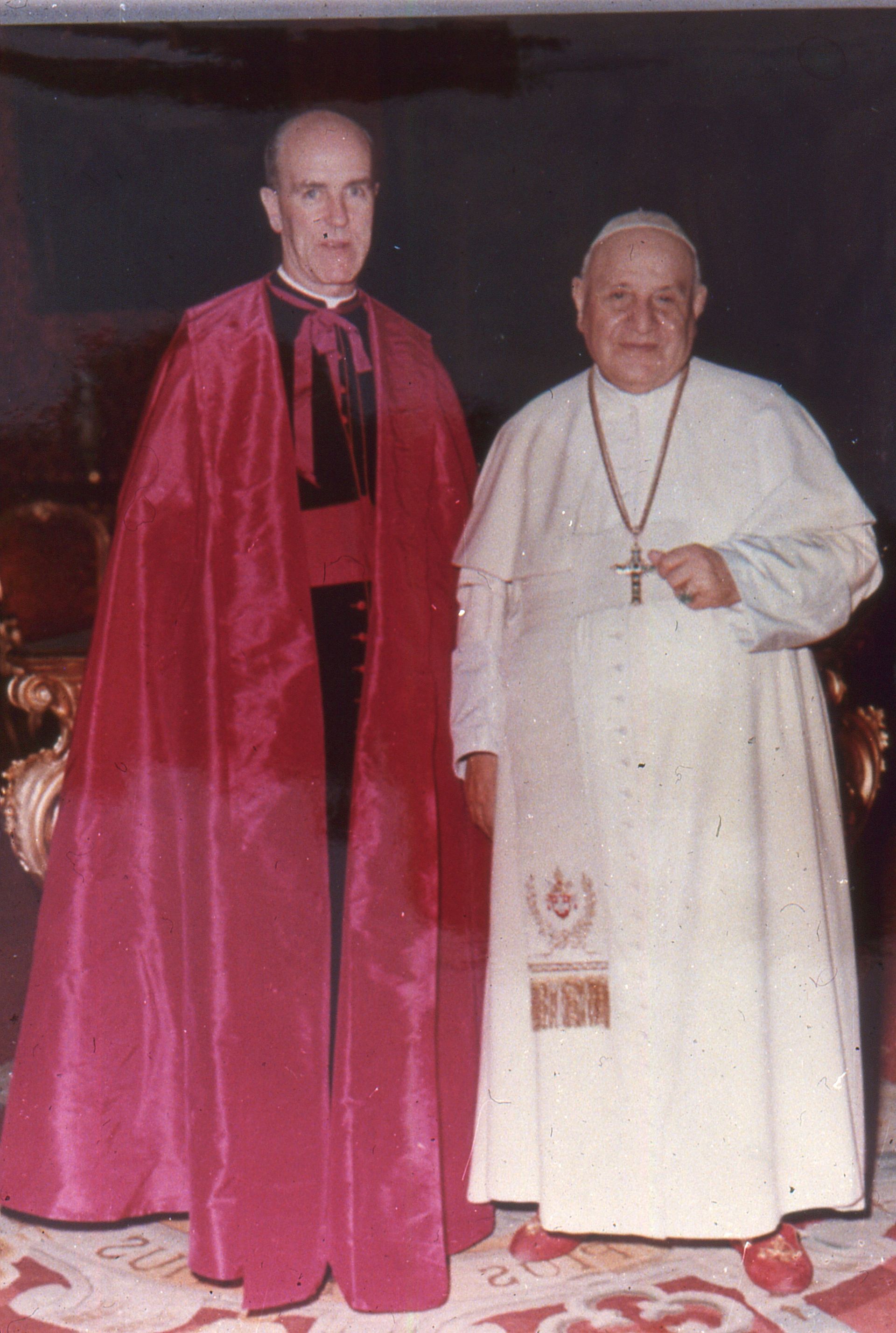
Encouraged by Pope John XXIII’s call to religious communities to send their people to Latin America, the Basilians expand their ministry working with Mexican migrant workers in southern Texas by establishing an apostolate in Mexico. Father Francis Launtrie, CSB and Father Max Murphy, CSB are the first Basilians sent to minister in Mexico. They begin by administering San Juan Crisóstomo parish in the barrio of San Juan de Aragón in Mexico City. Within the first ten months there are over 3000 first communions and 657 baptisms among 10,000 families.

1961

Encouraged by Pope John XXIII’s call to religious communities to send their people to Latin America, the Basilians expand their ministry working with Mexican migrant workers in southern Texas by establishing an apostolate in Mexico. Father Francis Launtrie, CSB and Father Max Murphy, CSB are the first Basilians sent to minister in Mexico. They begin by administering San Juan Crisóstomo parish in the barrio of San Juan de Aragón in Mexico City. Within the first ten months there are over 3000 first communions and 657 baptisms among 10,000 families.

1961

1969

Pope Paul VI makes George Flahiff a cardinal in 1969, and he attends the conclaves that elect Popes John Paul I and John Paul II.
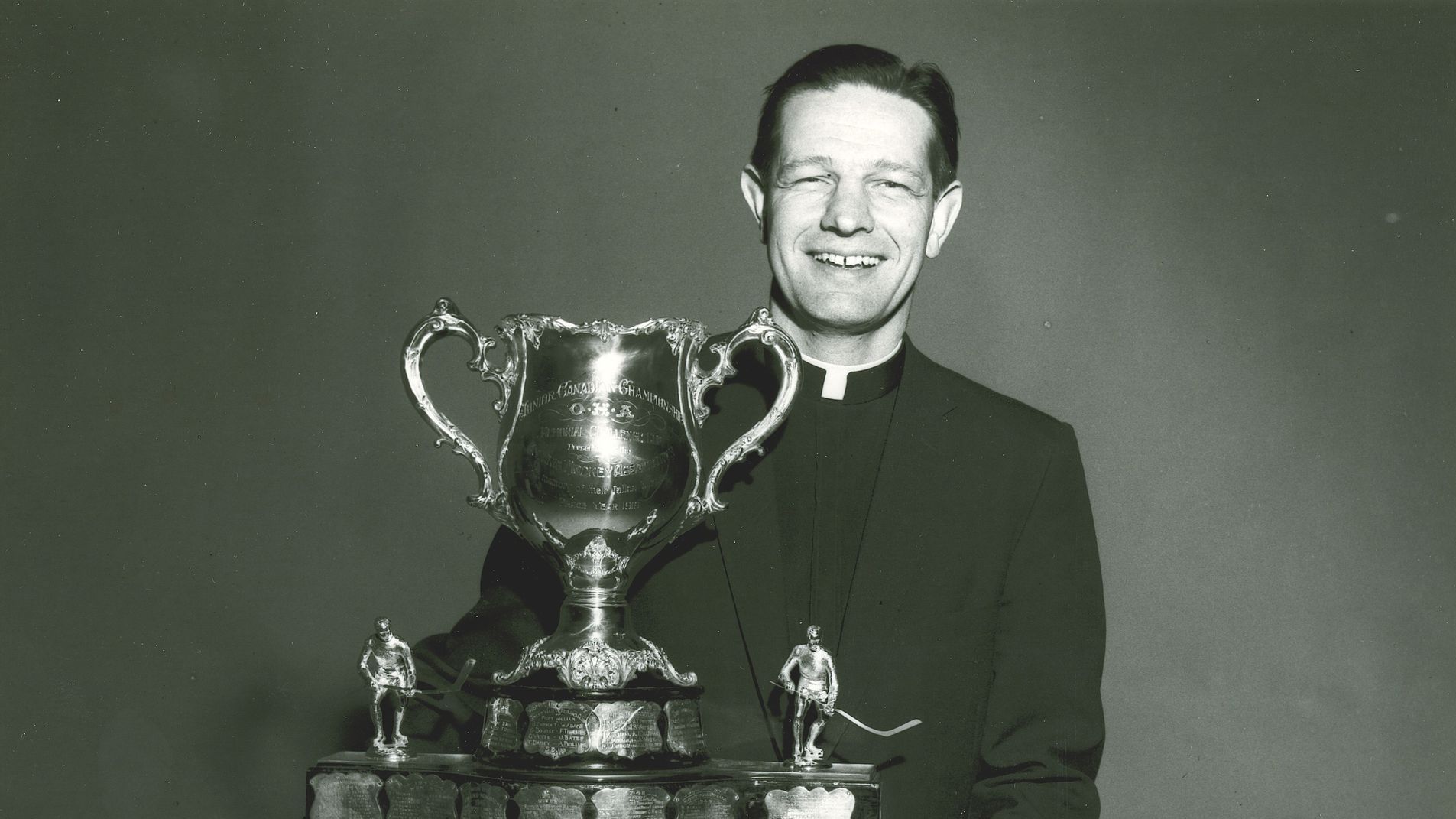
1964

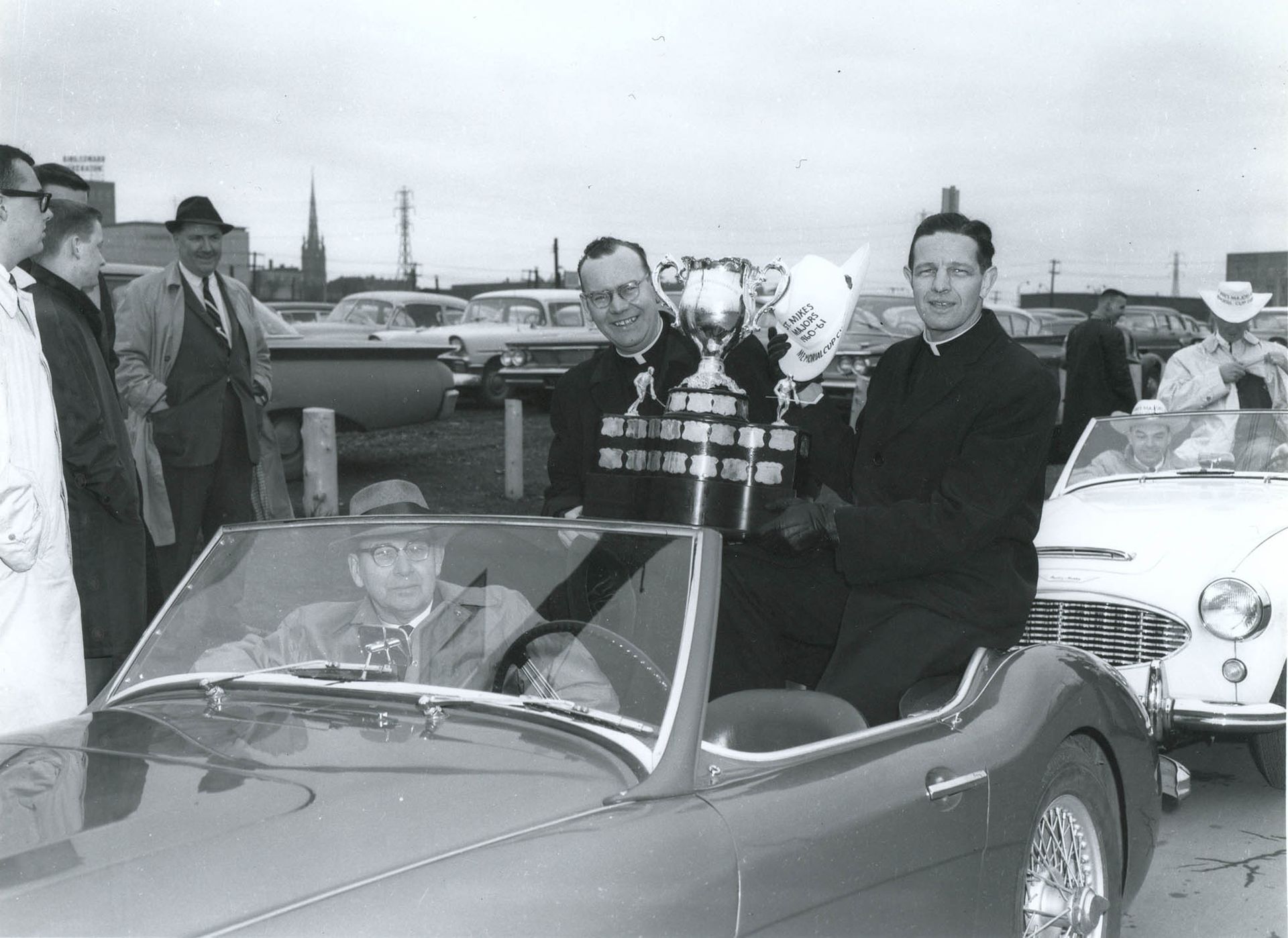
Father David Bauer, CSB builds and coaches the Canadian hockey team for the 1964 Winter Olympics. As a student at St. Michael’s College, Bauer was a star hockey player but did not pursue it professionally in favour of becoming a priest. He remains involved in the sport throughout his ministry by coaching at amateur and professional levels. He sees sport as a way to nourish oneself physically, but also spiritually.

1981

The Basilian Lay Associates (BLAs) are established at the General Chapter. BLAs are Catholic women and men called to support the Basilian charism of community and education in the Church’s mission of evangelization. As lay persons not under vows, they seek to respond more fully to their baptismal call to holiness and service by formal association with the Congregation of St. Basil.

1981

The Basilian Lay Associates (BLAs) are established at the General Chapter. BLAs are Catholic women and men called to support the Basilian charism of community and education in the Church’s mission of evangelization. As lay persons not under vows, they seek to respond more fully to their baptismal call to holiness and service by formal association with the Congregation of St. Basil.

1982

After serving as auxiliary bishop in San Antonio, Texas, Bishop Ricardo Ramírez, CSB is appointed the first Bishop of Las Cruces, New Mexico on August 17 and is formally installed on October 18. As Bishop, he sat on many United States Conference of Catholic Bishops committees and chaired the Committee on the Church in Latin America. He remains Bishop Emeritus following his resignation in 2013 and is outspoken in defense of the marginalized, especially on issues of immigration.

1982

After serving as auxiliary bishop in San Antonio, Texas, Bishop Ricardo Ramírez, CSB is appointed the first Bishop of Las Cruces, New Mexico on August 17 and is formally installed on October 18. As Bishop, he sat on many United States Conference of Catholic Bishops committees and chaired the Committee on the Church in Latin America. He remains Bishop Emeritus following his resignation in 2013 and is outspoken in defense of the marginalized, especially on issues of immigration.

1987

The founding group of Basilians arrives in Colombia in July to take over a parish with a school attached in Cali, Valle. The Basilians expand on the original foundation to minister in Bogotá and Medellín.

1987

The founding group of Basilians arrives in Colombia in July to take over a parish with a school attached in Cali, Valle. The Basilians expand on the original foundation to minister in Bogotá and Medellín.

1989

David Bauer is inducted into the Hockey Hall of Fame in Toronto.

A new Millennium

2002

Father Ronald P. Fabbro, CSB, who served as the Congregation’s Superior General since 1997, is appointed the 10th Bishop of London, Ontario.

2002

Father Ronald P. Fabbro, CSB, who served as the Congregation’s Superior General since 1997, is appointed the 10th Bishop of London, Ontario.

2002

Toronto, Ontario welcomes Pope John Paul II for World Youth Day (WYD). Basilians and a host of young adults from around Canada and the world prepare for the event that draws over 800,000 people. The Holy Father stays at Strawberry Island, the Basilians’ summer retreat on Lake Simcoe, for five days’ rest in advance of the final weekend of WYD festivities.

2002

Toronto, Ontario welcomes Pope John Paul II for World Youth Day (WYD). Basilians and a host of young adults from around Canada and the world prepare for the event that draws over 800,000 people. The Holy Father stays at Strawberry Island, the Basilians’ summer retreat on Lake Simcoe, for five days’ rest in advance of the final weekend of WYD festivities.

2004

A large contingent of Basilians travels to Rome for the episcopal ordination of Father J. Michael Miller, CSB. He is named Archbishop Secretary of the Congregation for Catholic Education. In 2007 he is appointed Coadjutor Archbishop of Vancouver where he succeeds Archbishop Roussin in 2009.

2004

A large contingent of Basilians travels to Rome for the episcopal ordination of Father J. Michael Miller, CSB. He is named Archbishop Secretary of the Congregation for Catholic Education. In 2007 he is appointed Coadjutor Archbishop of Vancouver where he succeeds Archbishop Roussin in 2009.

2014

The Basil Bowl is officially established to foster a spirit of brotherhood among students of the Basilian high schools through sport and other co-curricular activities. A school team hosts its counterparts from another Basilian school for a weekend, and the students get to know one another by sharing meals, celebrating Mass, and participating in a friendly competition. Basil Bowl activities have expanded beyond athletics to bring students together through music and different clubs.

2014

The Basil Bowl is officially established to foster a spirit of brotherhood among students of the Basilian high schools through sport and other co-curricular activities. A school team hosts its counterparts from another Basilian school for a weekend, and the students get to know one another by sharing meals, celebrating Mass, and participating in a friendly competition. Basil Bowl activities have expanded beyond athletics to bring students together through music and different clubs.

2015

St. Michael’s College School hosts the inaugural Basilian Network For Education and The New Evangelization (BNENE) Conference in July 2015. The Congregation of St. Basil established BNENE to bring together different school communities that are under the responsibility of the Basilian Fathers in a common mission of engaging in ongoing formation and to promote a Basilian approach to education within their schools.

2015

St. Michael’s College School hosts the inaugural Basilian Network For Education and The New Evangelization (BNENE) Conference in July 2015. The Congregation of St. Basil established BNENE to bring together different school communities that are under the responsibility of the Basilian Fathers in a common mission of engaging in ongoing formation and to promote a Basilian approach to education within their schools.

get our latest

Receive bi-weekly updates from us, and get notified on upcoming events.
Contact Us